
OBSTACLES AND CRITICISM
Despite its many strengths, democracy faces significant challenges that threaten its effectiveness and sustainability. These challenges arise from both internal dynamics and external pressures, making it imperative for democratic societies to remain vigilant and proactive in addressing them.


1
Majoritarianism
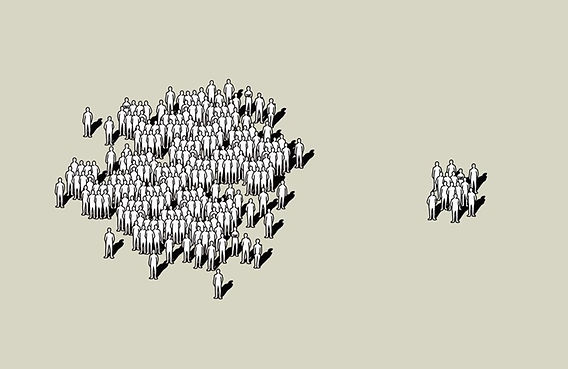
is a significant challenge in democratic systems where the interests of the majority can overshadow those of minorities, leading to social fragmentation and injustice. In pure majority-rule scenarios, minority groups may find their rights and interests consistently overlooked or suppressed, leading to disenfranchisement and alienation among minority populations. Ensuring that democratic systems include checks and balances to protect minority rights is crucial for maintaining a truly inclusive and fair society (ThoughtCo, 2023).
2
Corruption
undermines public trust in governmental institutions and the rule of law. When political leaders and public officials engage in corrupt practices, it erodes the integrity of the democratic process. This can lead to unequal access to services, skewed policy decisions favoring the wealthy or well-connected, and a general sense of disillusionment among citizens. Combating corruption requires robust legal frameworks, independent anti-corruption agencies, and a culture of transparency and accountability within government institutions (Transparency International, 2023).
3
Polarization and Misinformation
The rise of social media and digital communication has amplified polarization and the spread of misinformation, posing severe threats to informed civic participation and effective governance. Polarization creates deeply divided societies where compromise and dialogue become increasingly difficult, often fueled by misinformation and disinformation campaigns that distort facts and manipulate public opinion. Addressing this challenge requires enhancing media literacy, promoting critical thinking skills, and ensuring that accurate information is accessible to all citizens. Social media platforms and other digital mediums need to be held accountable for the content they distribute and encouraged to take proactive measures against the spread of false information (Pew Research Center, 2023).
4
Economic inequality
poses a substantial threat to democratic ideals by creating disparities in political influence. When wealth is concentrated in the hands of a few, these individuals or groups can exert disproportionate influence over political decisions, policies, and elections. This undermines the principle of equal representation and can lead to policies that favor the rich while neglecting the broader population. Addressing economic inequality requires policies that promote fair economic opportunities, progressive taxation, and social safety nets to ensure all citizens have a chance to thrive. Additionally, campaign finance reforms can help limit the influence of money in politics and promote a more level playing field for all participants (World Inequality Lab, 2023).
5
Populism
characterized by political leaders who claim to represent "the people" against a perceived corrupt elite, poses significant challenges to democratic stability. While populism can highlight genuine grievances and neglected issues, it often undermines democratic institutions by promoting divisive rhetoric, weakening checks and balances, and concentrating power in the hands of a few. Populist leaders may bypass democratic norms and processes, eroding the rule of law and threatening civil liberties. Combating populism requires addressing the underlying socio-economic issues that fuel it, promoting inclusive governance, and reinforcing democratic institutions and norms (Journal of Democracy, 2023).
6
Technological advancements
pose new challenges to democracy, including cybersecurity threats, data privacy concerns, and the impact of artificial intelligence on employment and social equity. Issues such as cyber-attacks on electoral systems, surveillance technologies infringing on privacy, and job displacement due to automation require careful management. Democracies must develop regulatory frameworks that protect citizens' rights and ensure that technological progress benefits society. This includes fostering international cooperation to address global tech-related challenges and promoting ethical standards in technology development and deployment (Brookings Institution, 2023).

To address these multifaceted challenges, democracies must remain adaptable and resilient. This includes fostering a culture of civic engagement, promoting education that emphasizes democratic values, and encouraging active participation in the political process. By doing so, democracies can strengthen their foundations and continue to thrive in an ever-changing world
Conclusion
Democracy, with its ideals of liberty, equality, and popular sovereignty, remains one of the most profound and adaptable forms of governance. From its ancient roots in Athens to its modern manifestations across the globe, it has continually evolved to meet the needs of diverse populations. While it faces numerous challenges, the principles that underpin democracy—rule of law, separation of powers, protection of rights—provide a resilient framework for addressing these issues. As we look to the future, the ongoing journey of democracy will depend on our collective commitment to these ideals and our ability to adapt and innovate in the face of new challenges.